

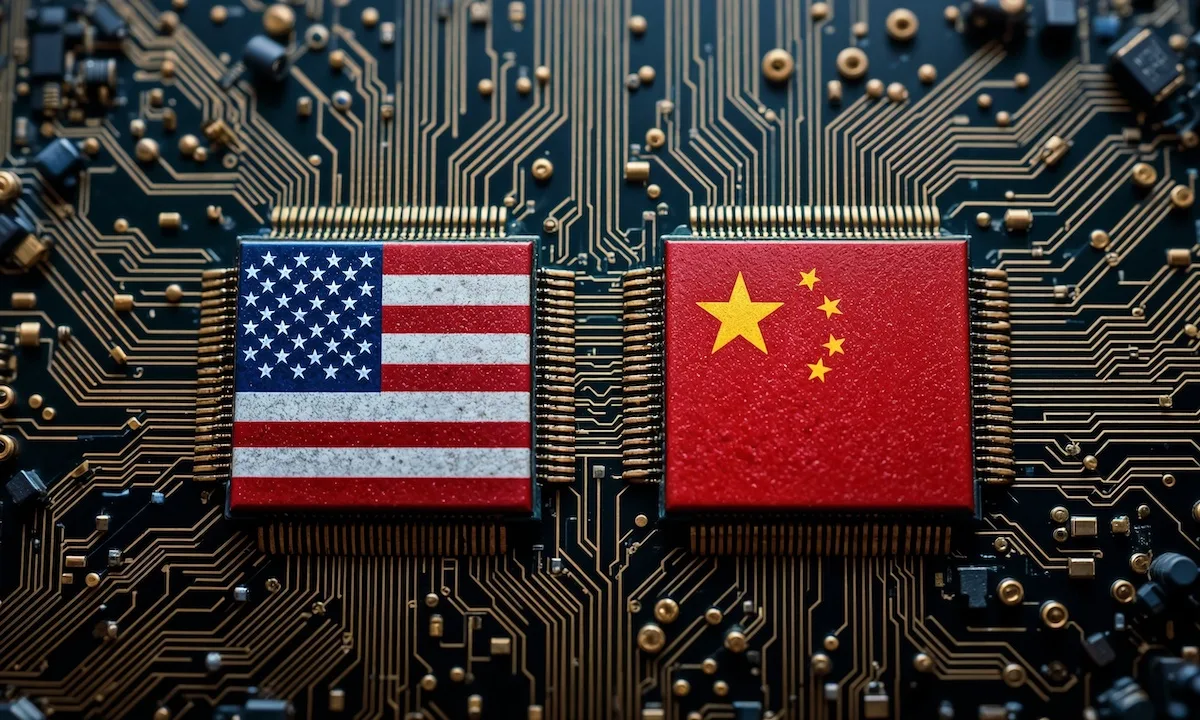
Enterprises are reevaluating their artificial intelligence (AI) spending as soaring costs disrupt adoption and growth plans. The shift from flat-rate subscriptions to token-based billing combined with the rise of more resource-intensive AI agents has significantly increased expenses. This trend is pushing companies to explore less costly AI models, particularly from Chinese providers offering more efficient and affordable options.
The high price of AI usage stems mainly from the technology’s evolution. Earlier chatbot models, which were comparatively lightweight, have given way to autonomous agents that consume far greater computing power. Simultaneously, major AI labs have moved away from simple subscription fees toward complex token-based pricing systems, which bill based on usage metrics such as API calls and workflow executions. This change has caught many businesses off guard, forcing them to implement cost management measures to avoid budget overruns.

The Financial Times highlighted that Chinese AI labs benefit from lower energy costs and have developed models capable of handling greater token consumption at a reduced price point. Data sourced from OpenRouter indicates that Chinese AI models now outpace their U.S. counterparts in token usage while remaining more affordable. This pricing advantage comes amid escalating operational costs faced by U.S.-based AI providers like Anthropic and OpenAI.
In response to rising expenses, companies have adopted a variety of strategies to curtail AI consumption. These include imposing usage caps, encouraging staff to select appropriate tools for specific tasks, reverting to older but cheaper models, and integrating open-source AI frameworks into their operations. Organisations that initially promoted widespread AI use are now imposing stricter controls to align usage with budgets and maximize cost-effectiveness.
Earlier this year, reports surfaced of enterprises encountering difficulties transitioning AI projects from pilot phases to full production due to the complex and variable billing structures unique to AI software. Unlike traditional software-as-a-service (SaaS) models, which typically charge per user, AI pricing involves multiple layers such as tokens, API calls, inference cycles, and autonomous workflows that run without direct human input.
Prominent companies have experienced these challenges firsthand. For example, Uber depleted its entire AI budget within the first quarter of the year and was forced to reassess its AI deployment plans. Walmart also restricted employee AI usage by introducing token limits for its internal AI agent, Code Puppy, after previously permitting unlimited access, demonstrating how organizations are actively managing consumption to stay within financial constraints.