Donald Trump’s Upcoming China Visit Marks Rare Repeat Presidential Trip
Donald Trump is set to become only the third U.S. president to visit China twice, resuming high-level talks amid ongoing tensions and complex diplomatic challenges.


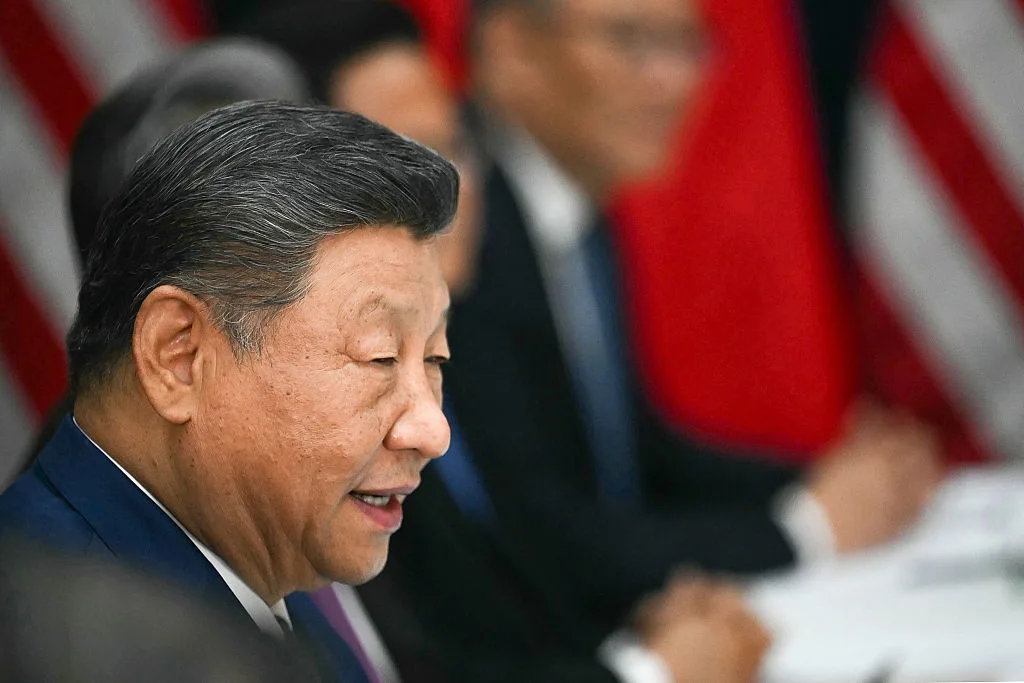
Donald Trump is set to become only the third U.S. president to visit China twice, resuming high-level talks amid ongoing tensions and complex diplomatic challenges.

President Trump announced plans to raise Jimmy Lai’s detention with Chinese officials, acknowledging the pro-democracy figure’s controversial role while expressing support for his release.

A select group of prominent U.S. tech, finance, and agriculture leaders, including Elon Musk and Tim Cook, will accompany President Trump on his China trip to discuss trade, AI, and diplomatic issues.

Partial payments of tariff refunds have started reaching companies after the Supreme Court declared the tariffs illegal, with thousands of importers now lining up for compensation.
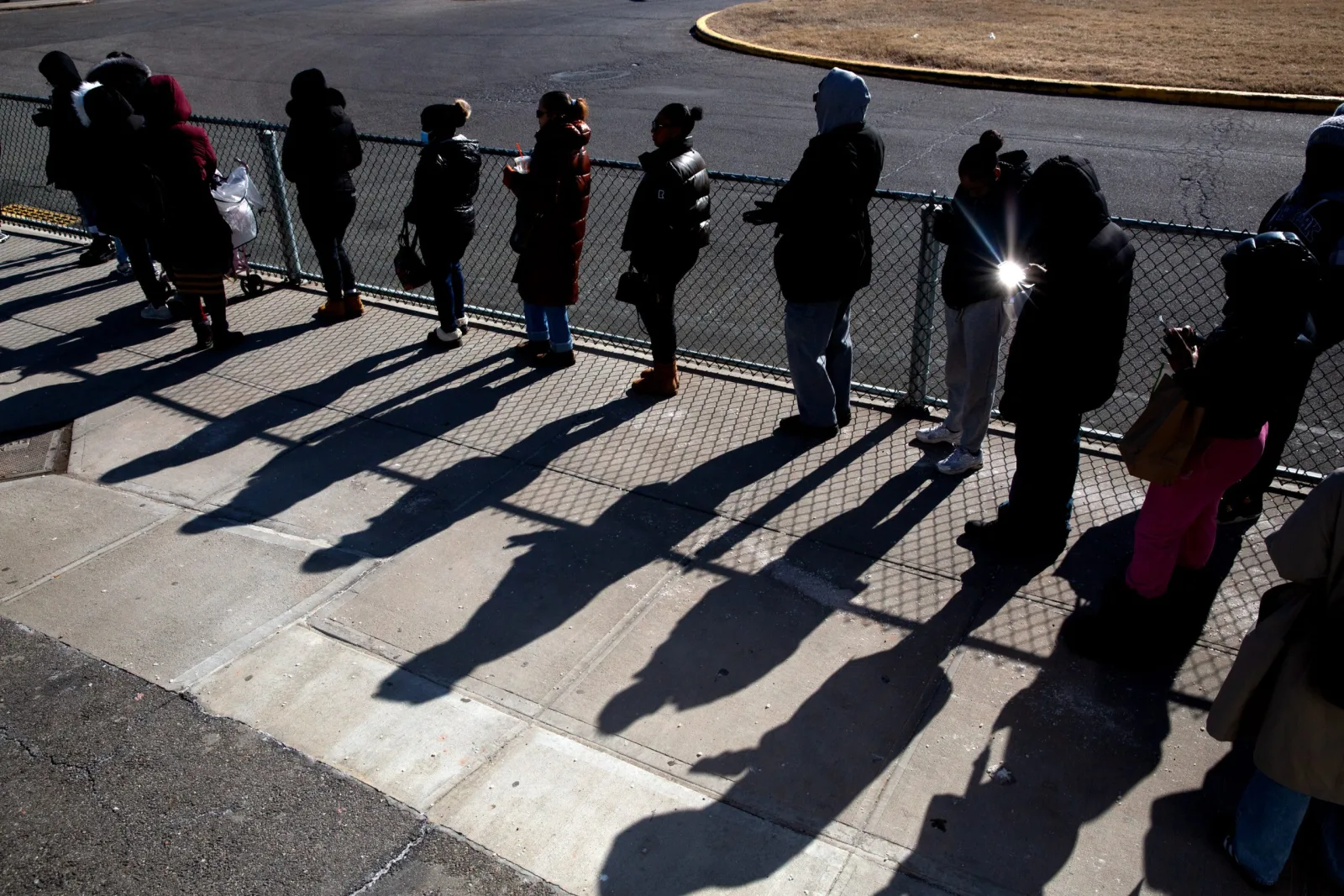
The city plans to extend a multimillion-dollar deal with Securus Technologies, despite privacy advocates warning over AI surveillance of detained individuals’ phone calls.
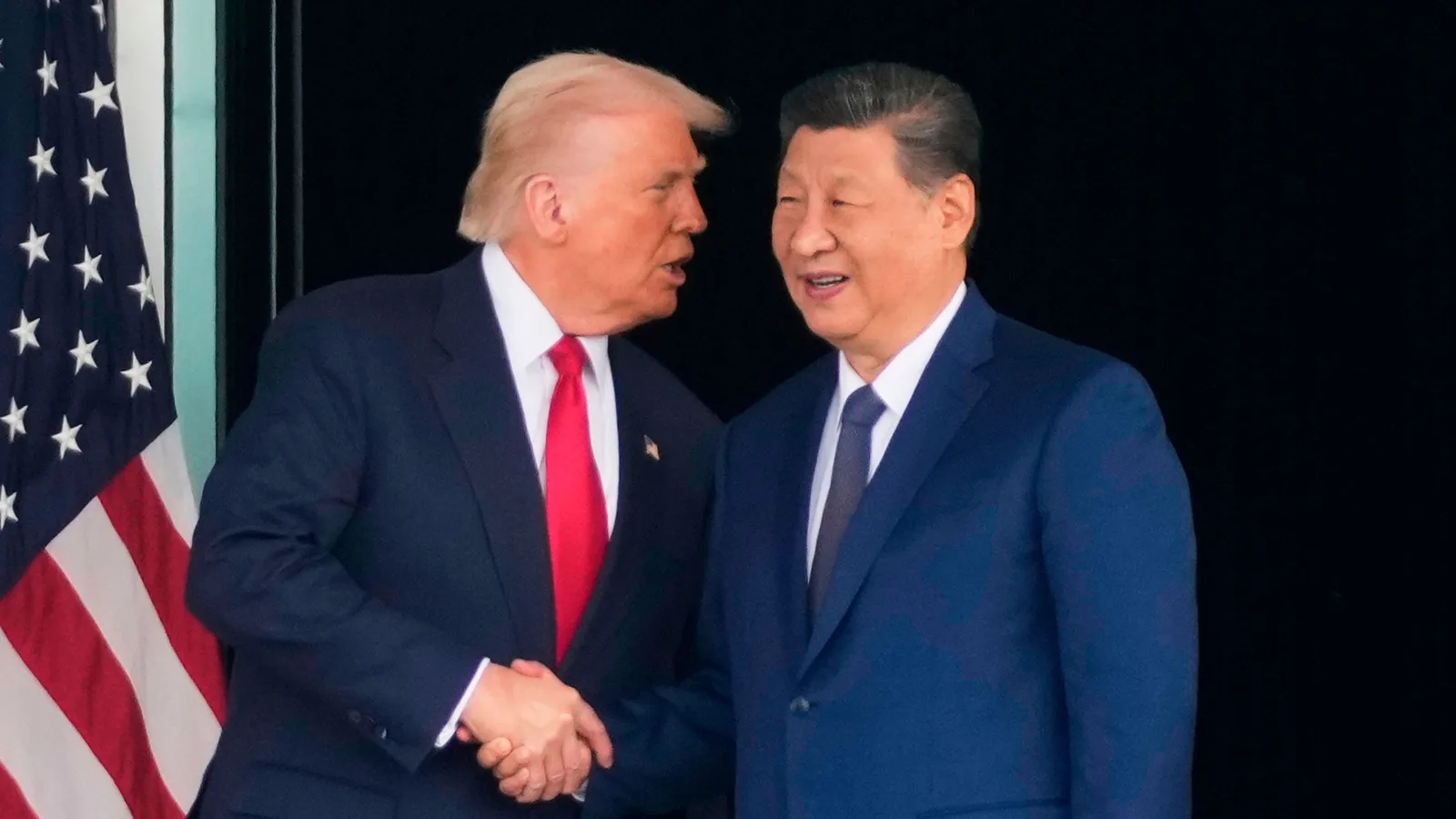
Ahead of a critical summit in Beijing, the United States and China strive to prevent their sharp disagreements over the Iran conflict from undermining broader diplomatic and trade discussions.


China’s ambassador to the US outlines expectations for President Trump’s visit, addresses regional conflicts, trade ties, and growing cultural influence of China abroad.
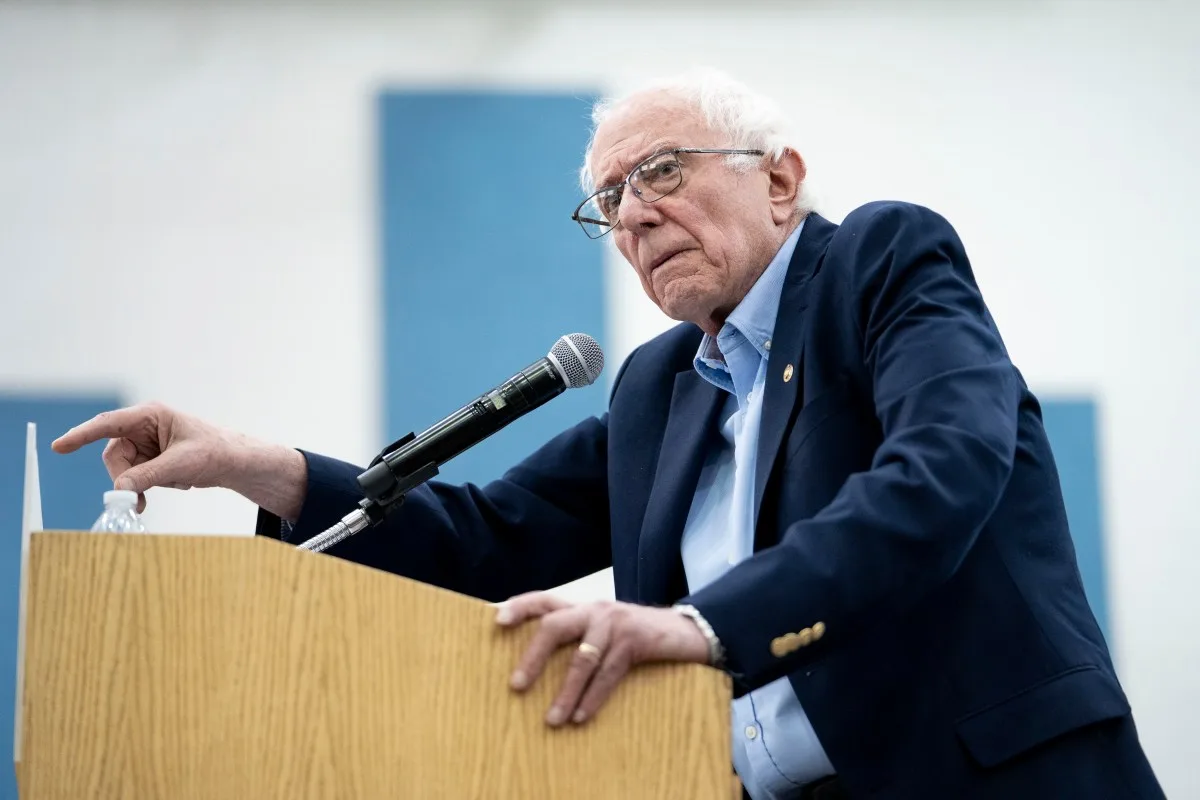
Senator Bernie Sanders advocates for U.S.-China cooperation on artificial intelligence development, raising debate about national security and technological leadership.
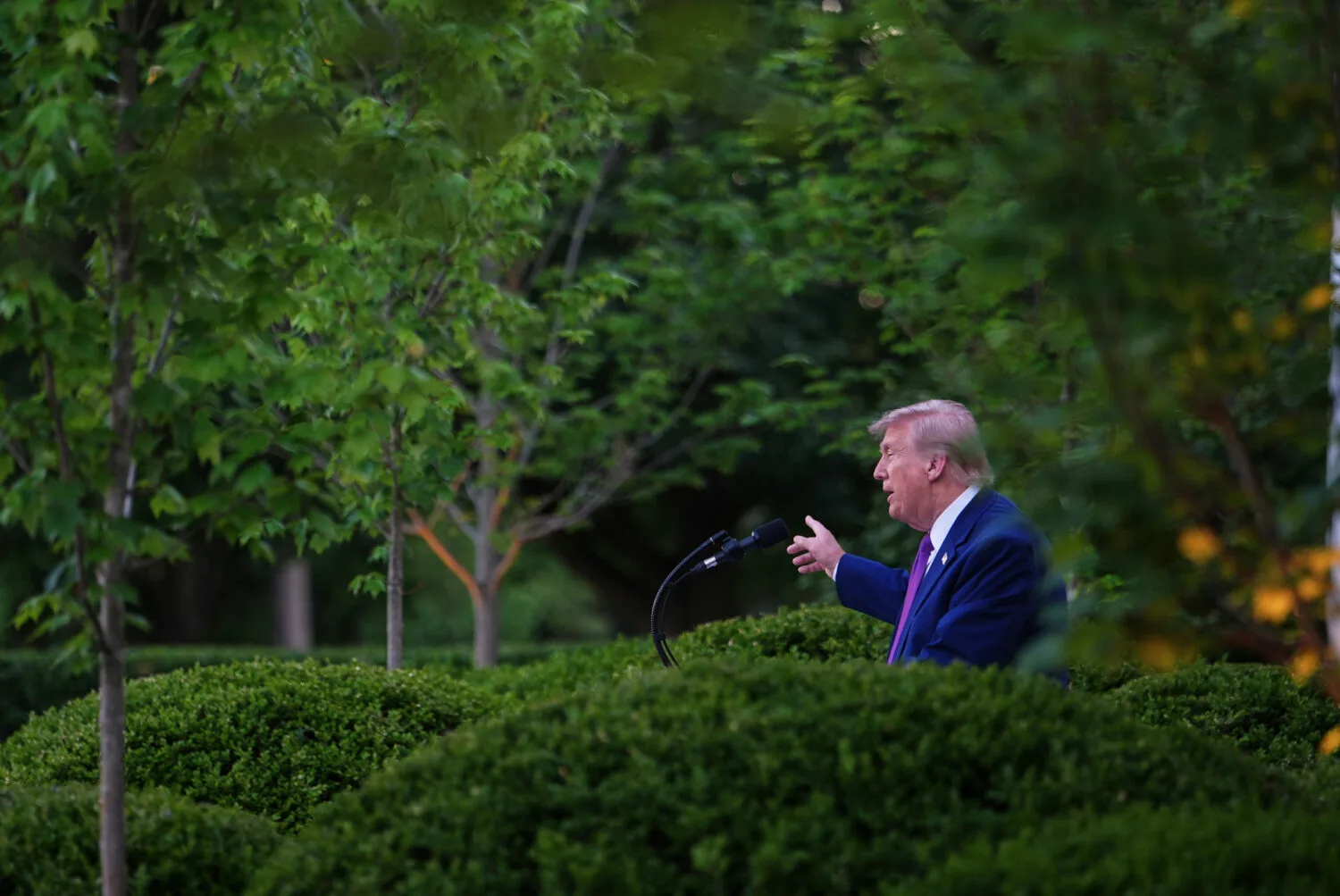
Ahead of their summit in Beijing, Trump and Xi aim to prevent their stark disagreements over the Iran conflict from damaging broader U.S.-China relations.
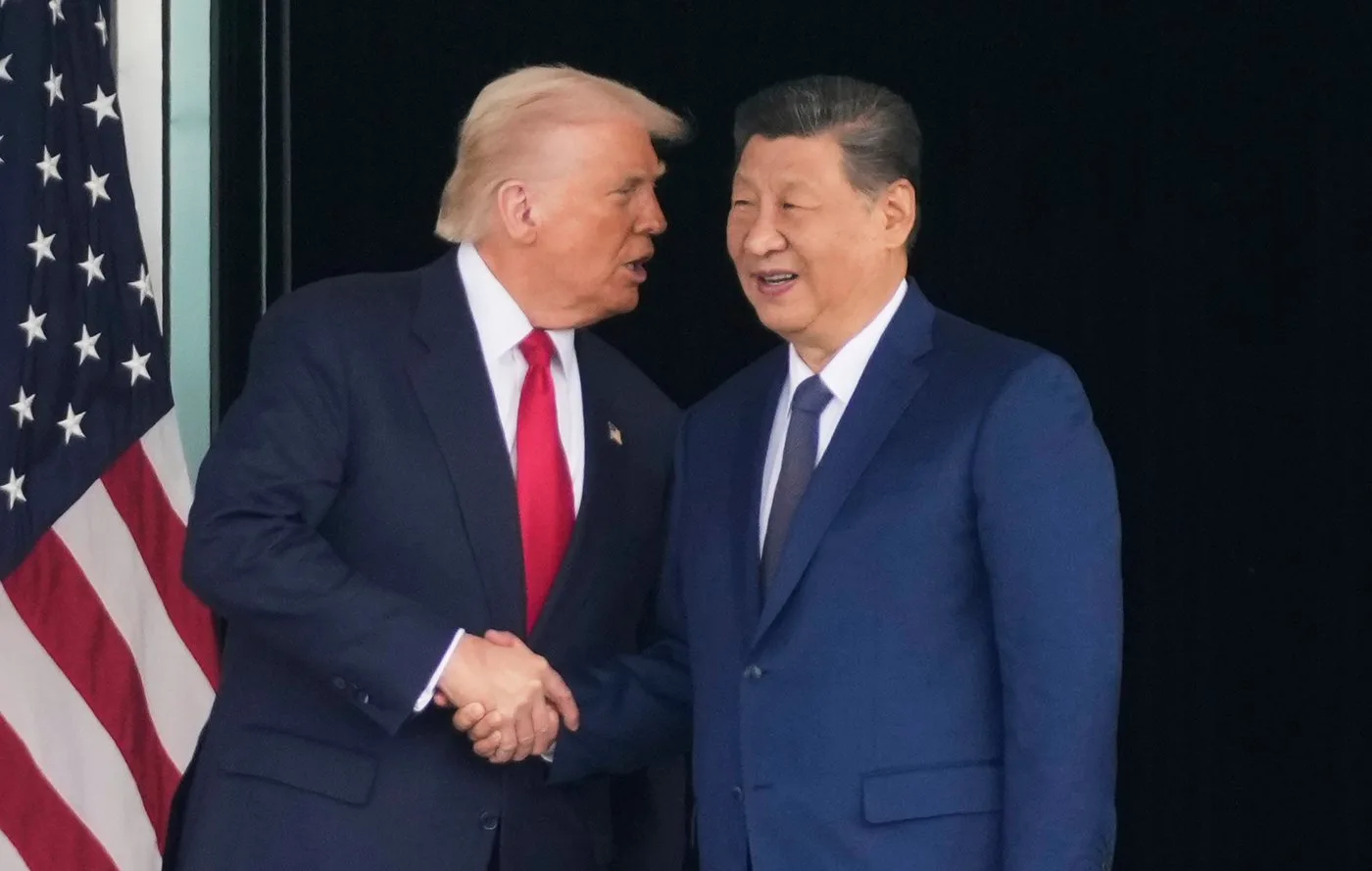
Leaders of the world’s two largest economies met in Beijing aiming to maintain trade stability, despite ongoing challenges in tariffs, technology, and supply chains.
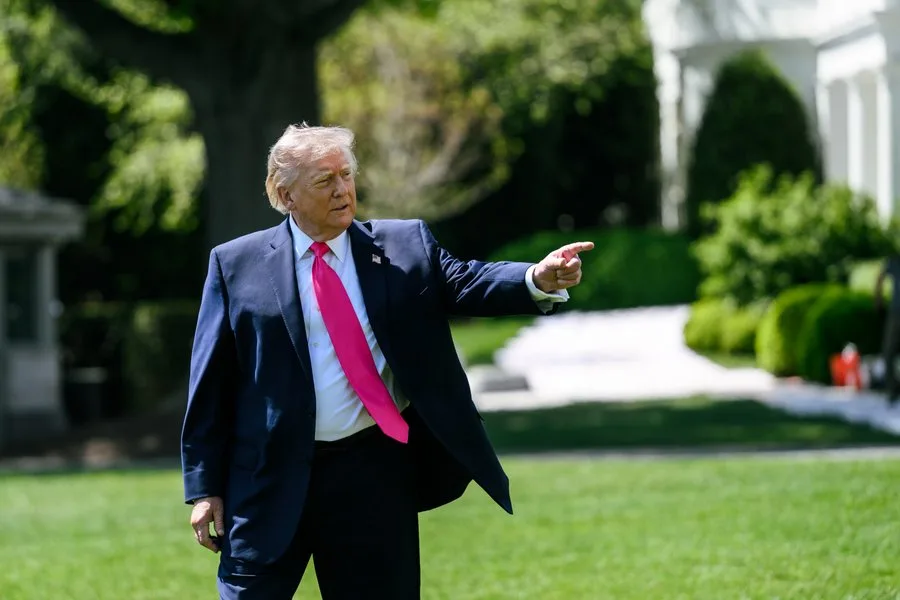
Bipartisan US lawmakers called on President Trump to raise the issue of detained Americans and political prisoners with President Xi Jinping amid growing concerns over China’s coercive tactics.

Wisconsin’s governor and legislative leaders agreed to invest state surplus in schools, property tax relief, and direct payments to families, including permanent tax cuts on tips and overtime.