Early US-Iran Talks Hint at Nuclear Inspection Gains but Key Issues Remain
Initial negotiations between the US and Iran show progress on allowing nuclear inspections, but major disputes over Iran’s nuclear program and regional security persist.
The Department of Justice sued New York over a new law banning federal agents from wearing masks, citing risks to their safety and violations of constitutional principles.
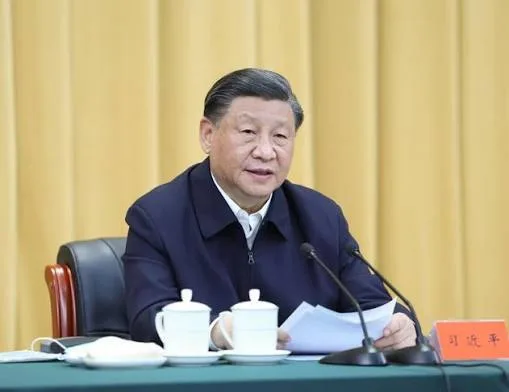
North Korean leader Kim Jong-un has called for an accelerated build-up of nuclear weapons and military assets aimed at surpassing other world powers, reaffirming Pyongyang’s strategic focus on deterrence.
Indian workers continue to suffer casualties amid Middle East tensions with recent deaths in Gulf strikes and a deadly blast at a Qatari energy facility.
Kim Jong Un affirmed North Korea’s nuclear weapons are a permanent element in its security policy, rejecting denuclearization talks and advancing military modernization.
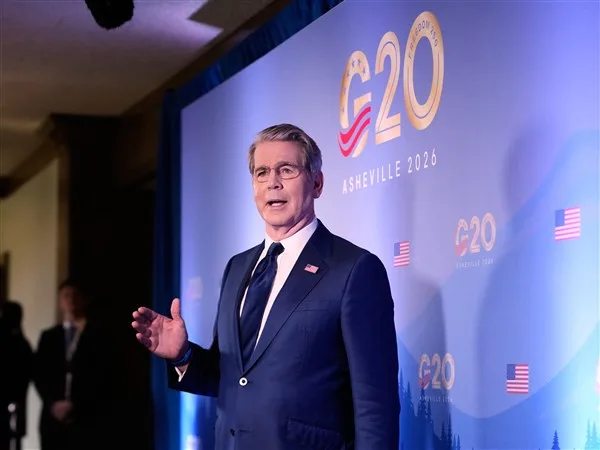
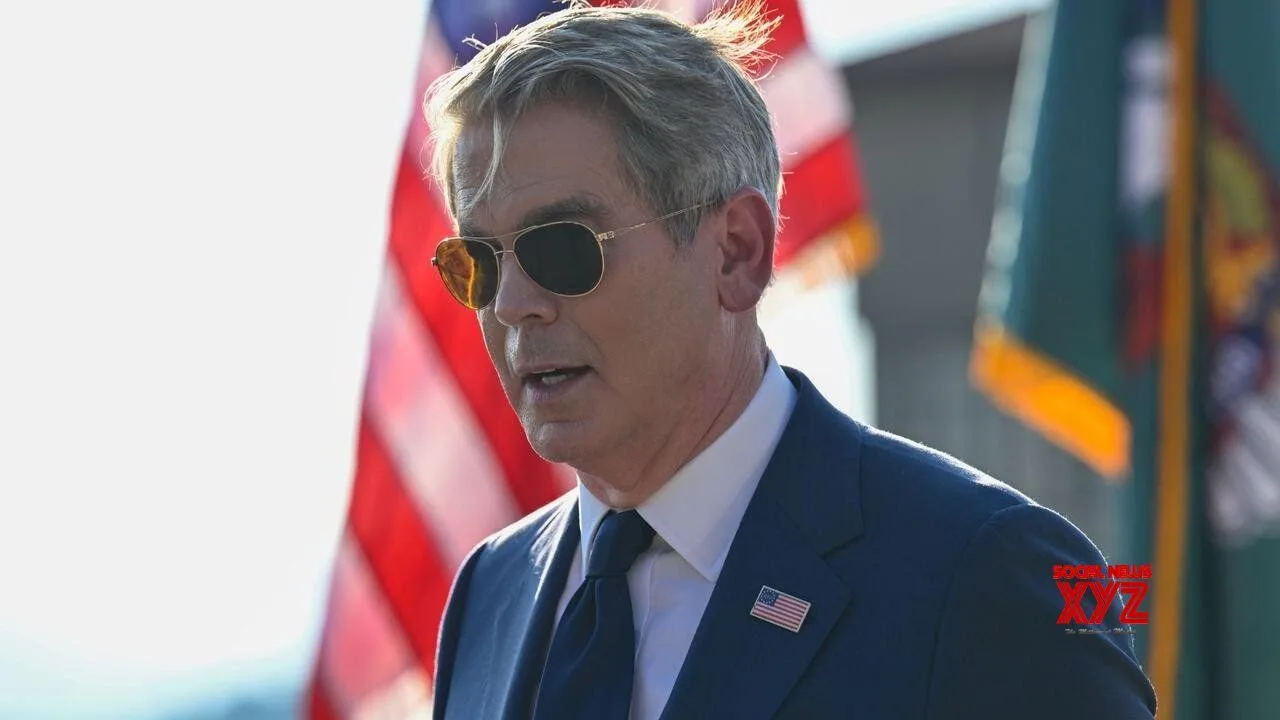
Vice President JD Vance highlights major advances in U.S.-Iran talks while British Prime Minister Keir Starmer steps down, marking pivotal shifts in global politics.
Iran has reportedly agreed to allow International Atomic Energy Agency inspectors back into the country following initial peace negotiations, though Tehran denies new commitments.
The U.S. authorized a 60-day easing of Iranian oil sanctions amid claims Iran agreed to restore nuclear inspections, but Iran denies any new commitments.
Vice President JD Vance highlighted the importance of observing Iran’s actions rather than trusting verbal commitments during ongoing peace talks in Switzerland.
Vice President J.D. Vance hailed Iran’s agreement to resume United Nations nuclear inspections, framing it as a major diplomatic achievement similar to the Obama administration’s previous deal.
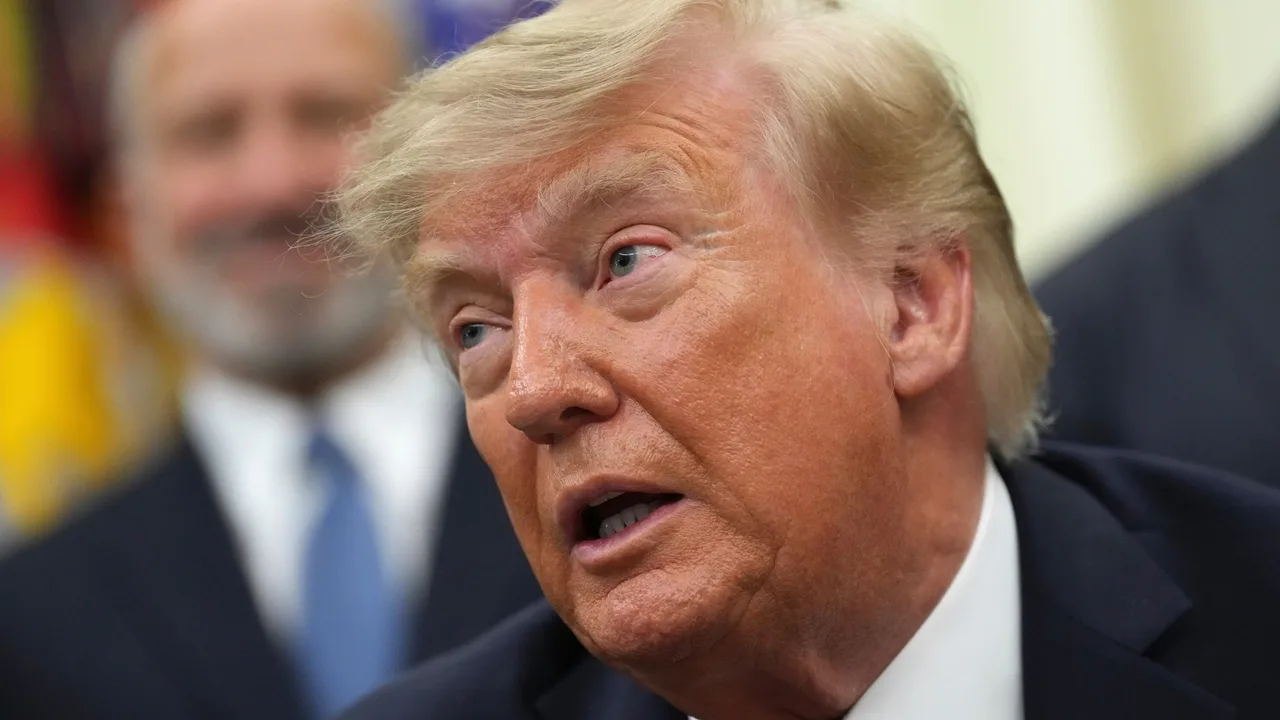
A new poll reveals significant splits within Trump’s base regarding the Iran deal, with many questioning whether the agreement favors the US or Iran.
India and China signaled cautious progress toward easing tensions during a BRICS security meeting in New Delhi, with dialogue and border patrol talks continuing amid lingering disputes.