Gujarat Hits Record Power Demand Amid Plans for Major Nuclear Expansion
Gujarat reached an unprecedented peak power demand of 29,822 MW, driving plans to add a 4,200 MW nuclear power plant to meet future electricity needs.



Gujarat reached an unprecedented peak power demand of 29,822 MW, driving plans to add a 4,200 MW nuclear power plant to meet future electricity needs.
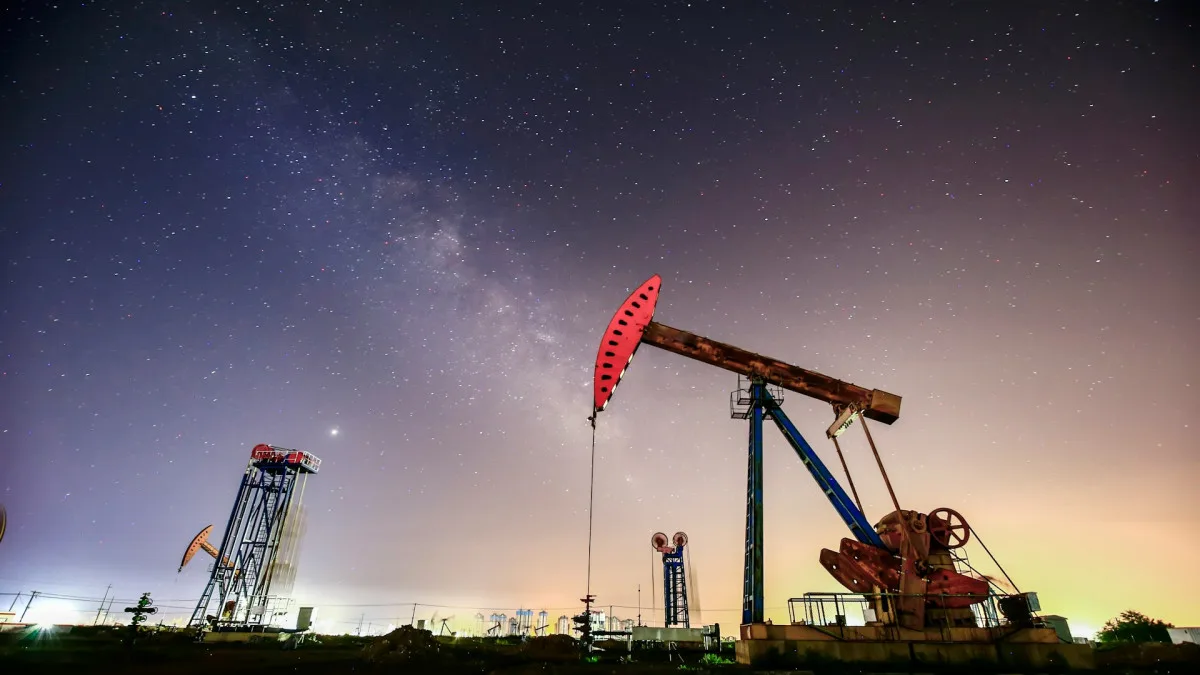
Researchers in Texas suggest repurposing wastewater from oil production in the Permian Basin to provide an efficient cooling solution for energy-intensive AI data centers.
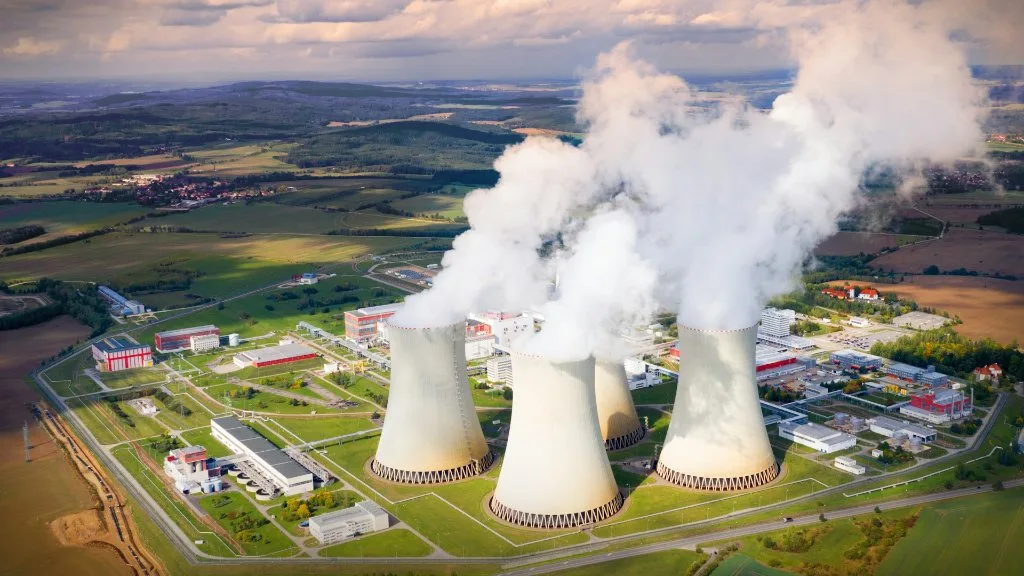
Researchers have designed modular carbon capture systems that fit within standard shipping containers, promising scalable and efficient CO2 removal solutions.

Wyoming continues to rely heavily on coal, resulting in some of the highest carbon emissions from electricity generation compared to other states.
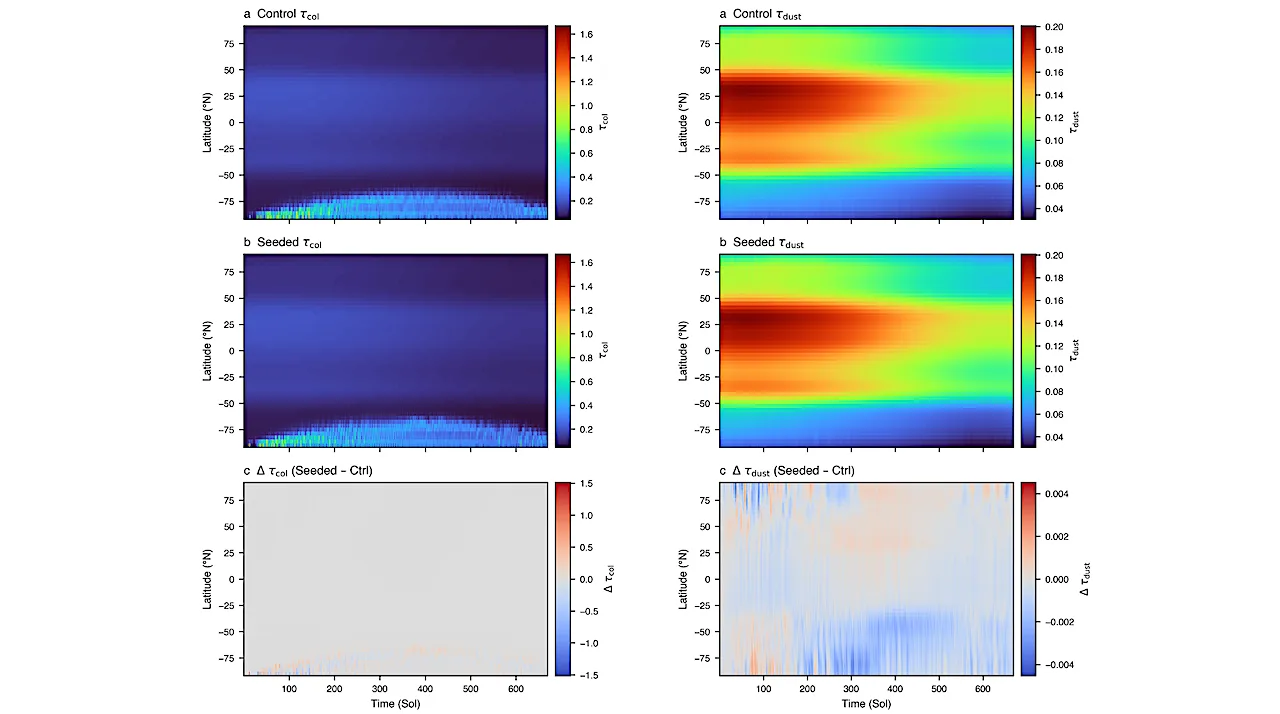
New global climate models offer detailed insights into how synthetic warming scenarios could transform Mars’ atmosphere and surface conditions over extended periods.
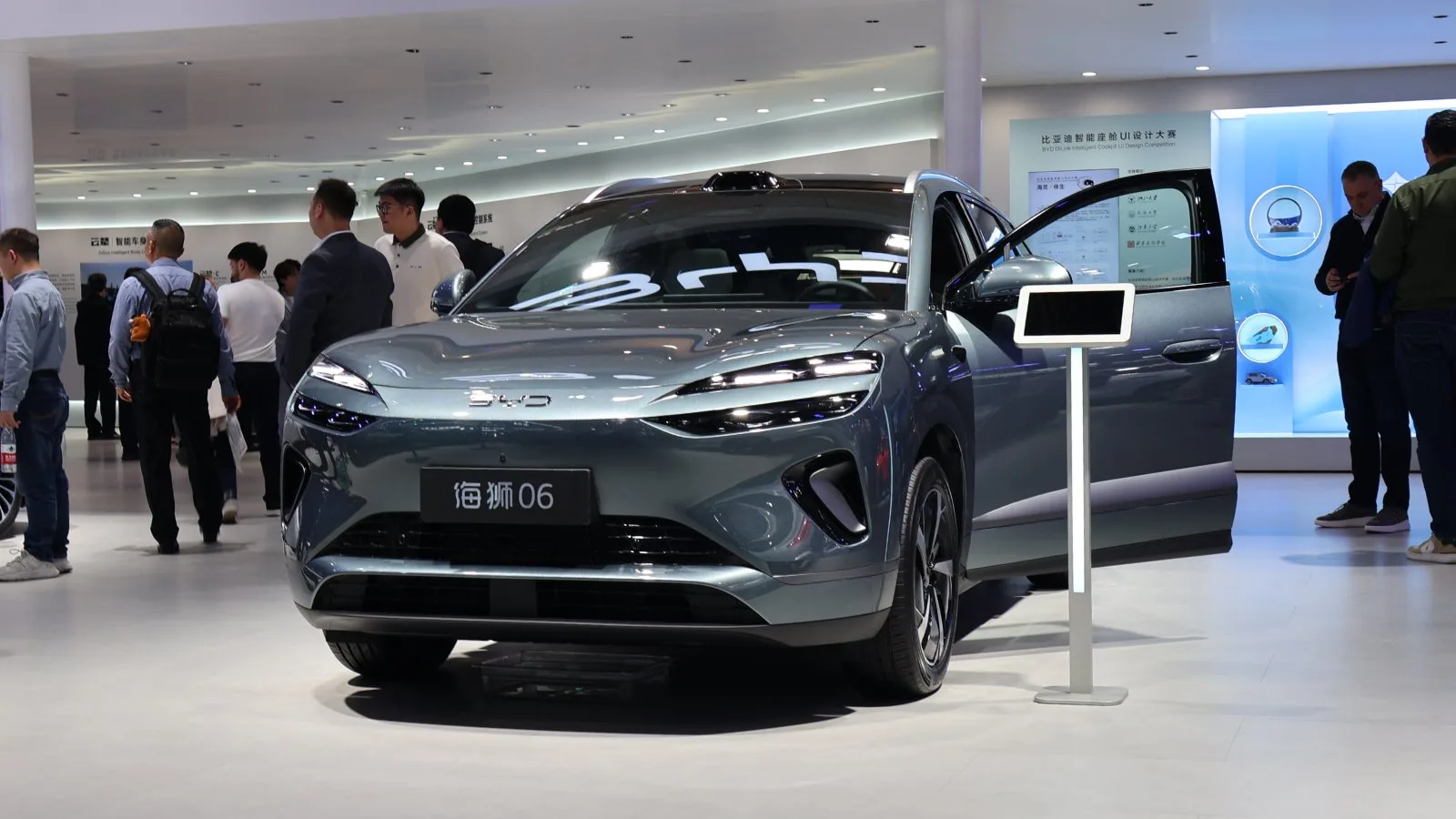
Chinese automaker BYD has selected Sime Darby’s Inokom unit to locally assemble EVs in Malaysia, aiming to expand its regional production capacity and market presence.

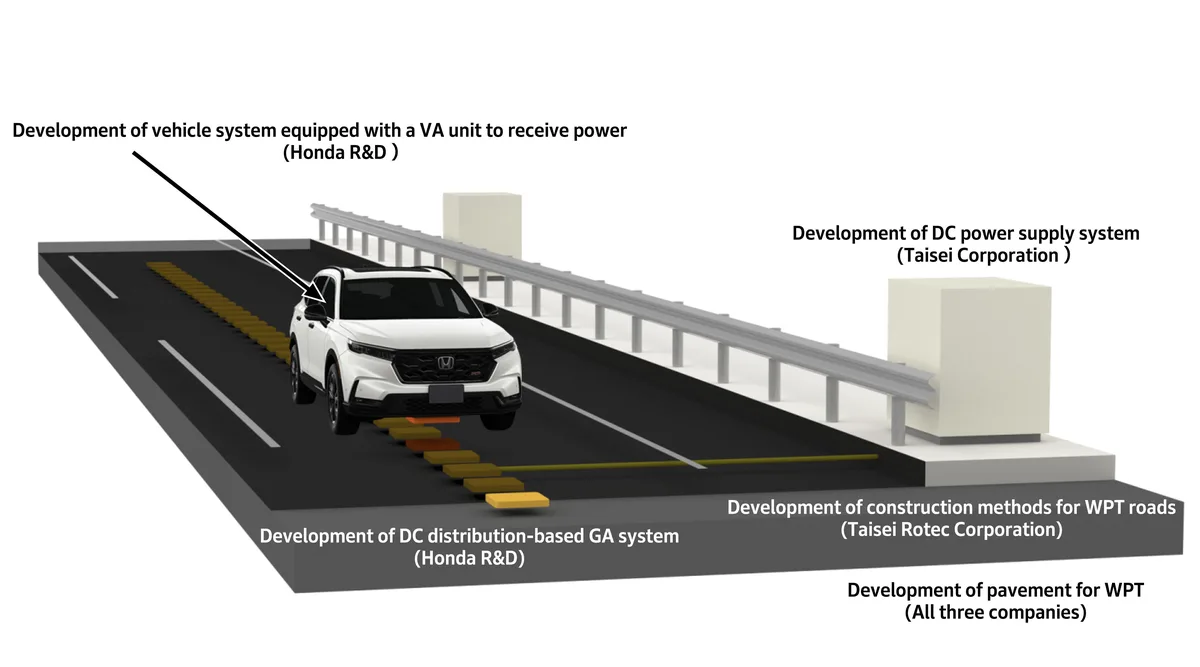
Honda has entered the emerging wireless EV charging sector, aiming to enable electric vehicles to recharge dynamically without cables, enhancing driver convenience and mobility.
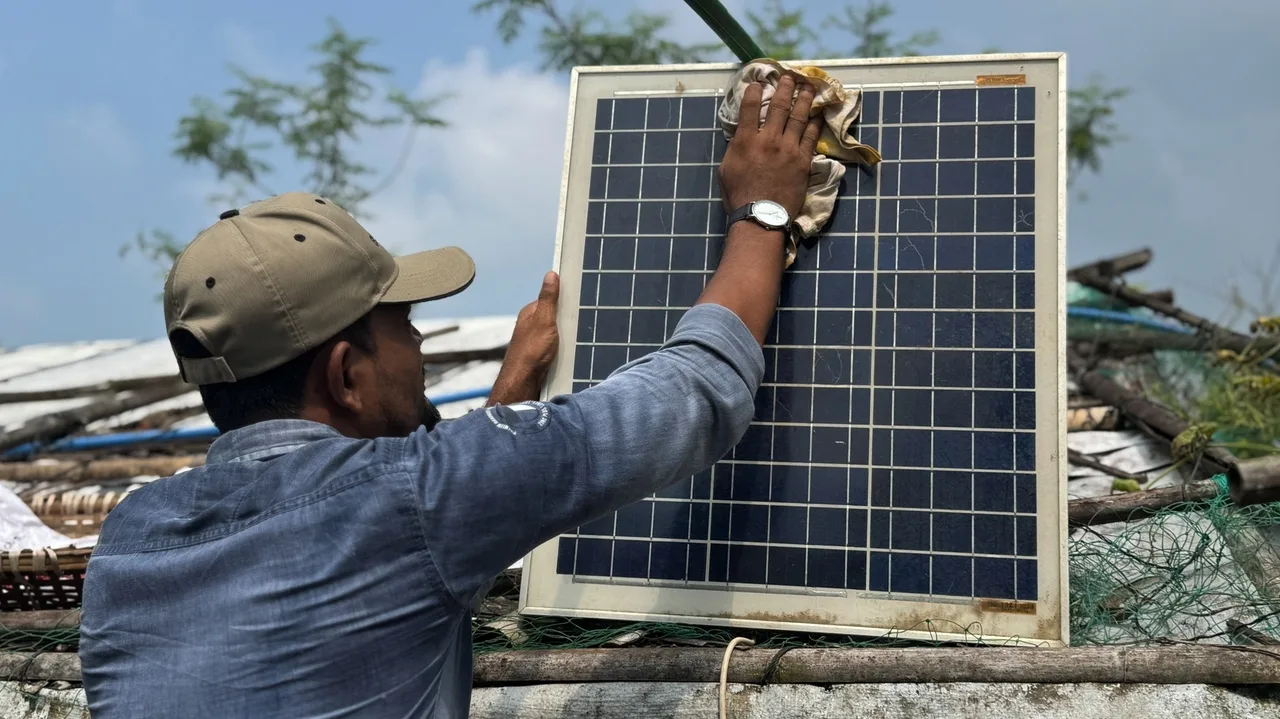
Solar energy kits provide critical electricity access in disaster-affected and refugee communities, improving living conditions amidst climate challenges and displacement.
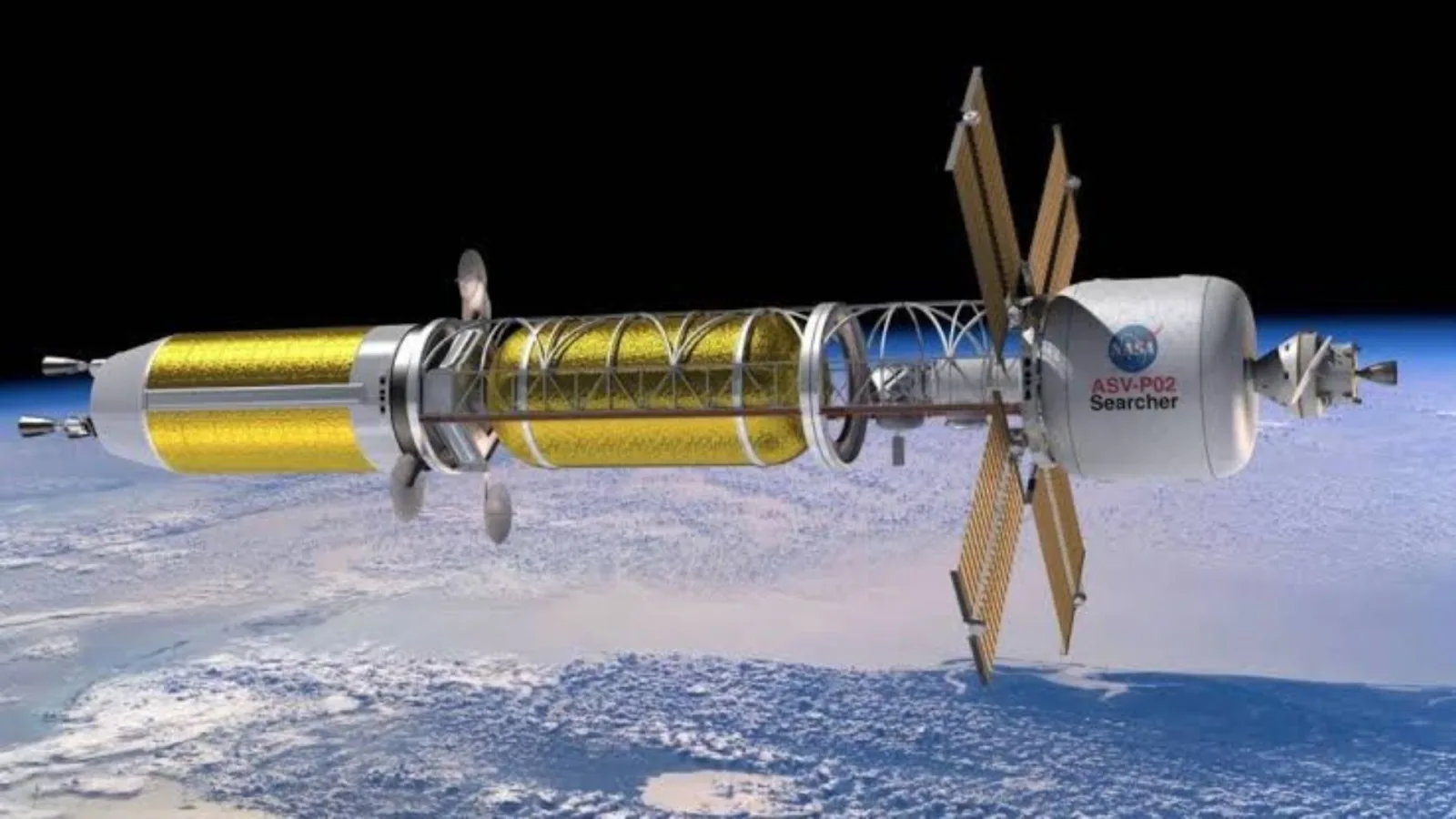
NASA and the U.S. Department of Energy have formalized a partnership to design and deploy nuclear reactors intended to power future deep-space exploration vehicles.

New research reveals that a species of swimming sea cucumber intercepts sinking organic particles, altering their path in the ocean’s carbon cycle.

Rural communities in Utah are resisting rapid development of large AI data centers, raising concerns over transparency, environmental impact, and local control.
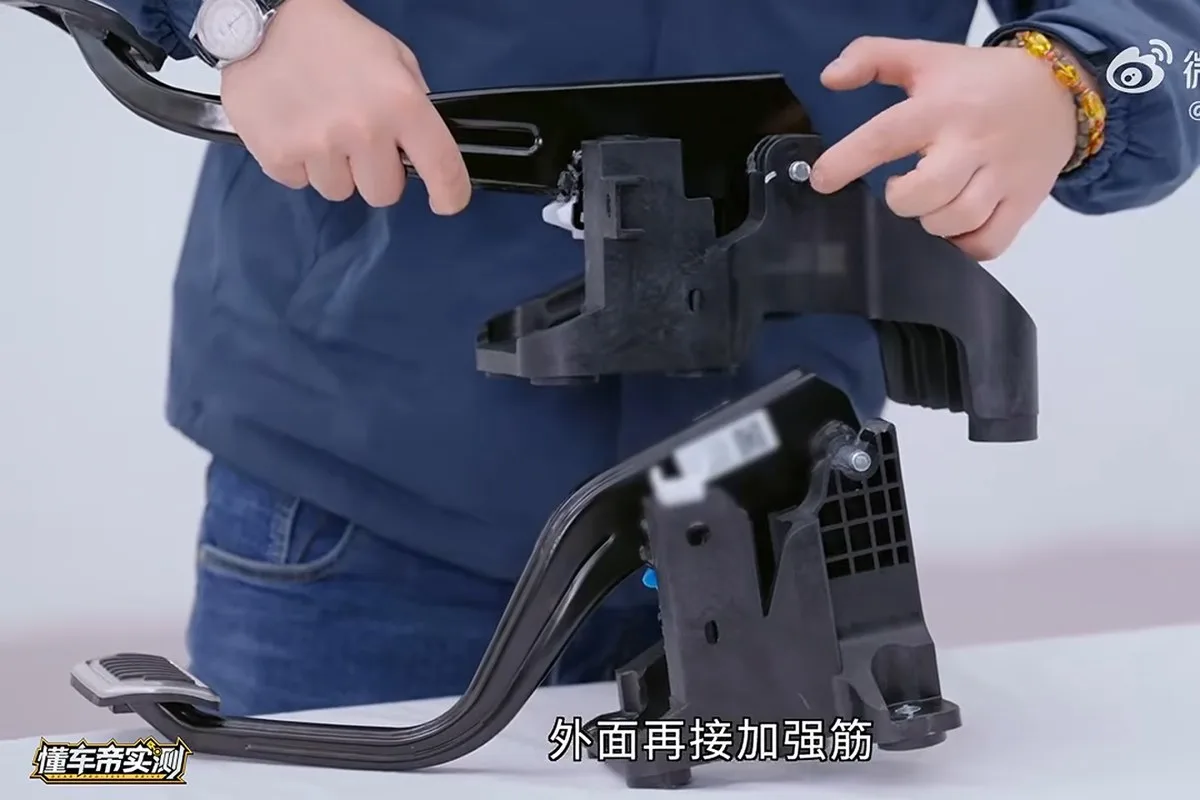
A brake pedal on a Chinese electric vehicle broke multiple times during testing, prompting concerns over component reliability and vehicle safety standards.