San Antonio Food Bank Explores Carbon Credits to Expand Food Rescue Efforts
Facing rising grocery costs and reduced food aid, the San Antonio Food Bank aims to fund trucks, drivers, and more rescued food through carbon credit programs.



Facing rising grocery costs and reduced food aid, the San Antonio Food Bank aims to fund trucks, drivers, and more rescued food through carbon credit programs.

University of Wyoming scientists reveal a significant gap in livestock methane research, emphasizing the need to examine soil carbon sequestration alongside animal emissions.
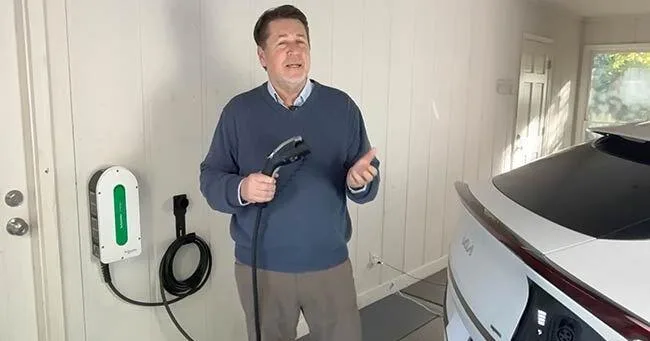
Efficient electric vehicle charging requires simple adjustments at home that save time, reduce energy costs, and extend battery life for daily EV users.
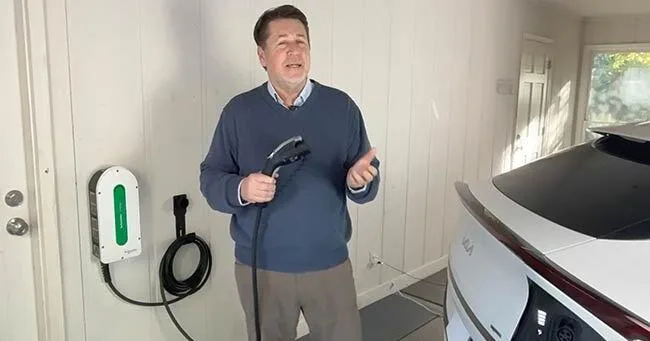
Optimizing home EV charging can save time and energy costs while extending battery life; here are key strategies every electric vehicle owner should consider.

Former Hanford Nuclear Site workers in Washington State have long faced serious health issues, including cancers and lung scarring, linked to toxic exposures at the facility.

India is expanding its partnerships with Global South countries to share nuclear science benefits, emphasizing peaceful applications and equitable development at the United Nations.

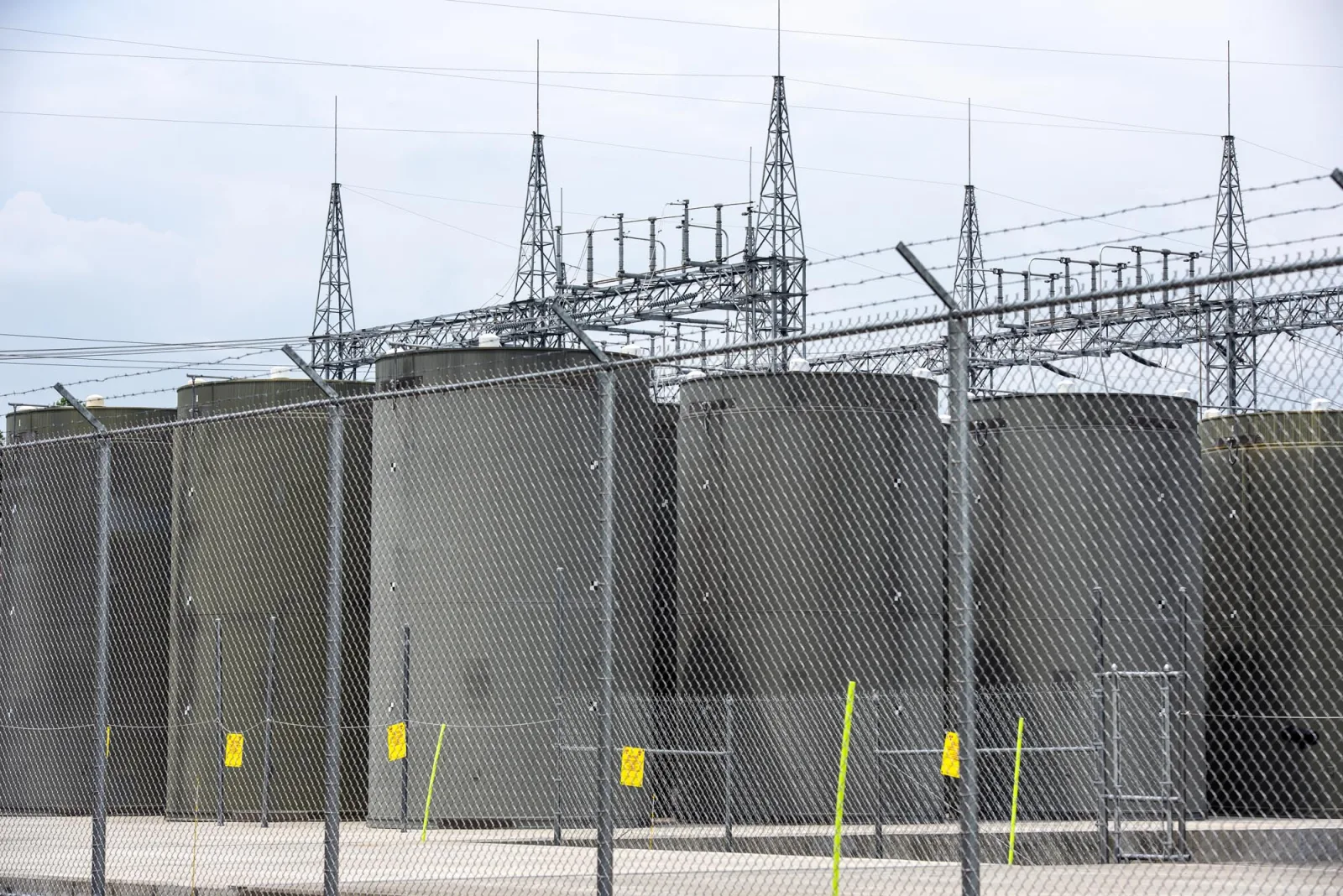
Discussions resume on whether nuclear power could make a comeback in Vernon, focusing on spent fuel management and future energy needs.
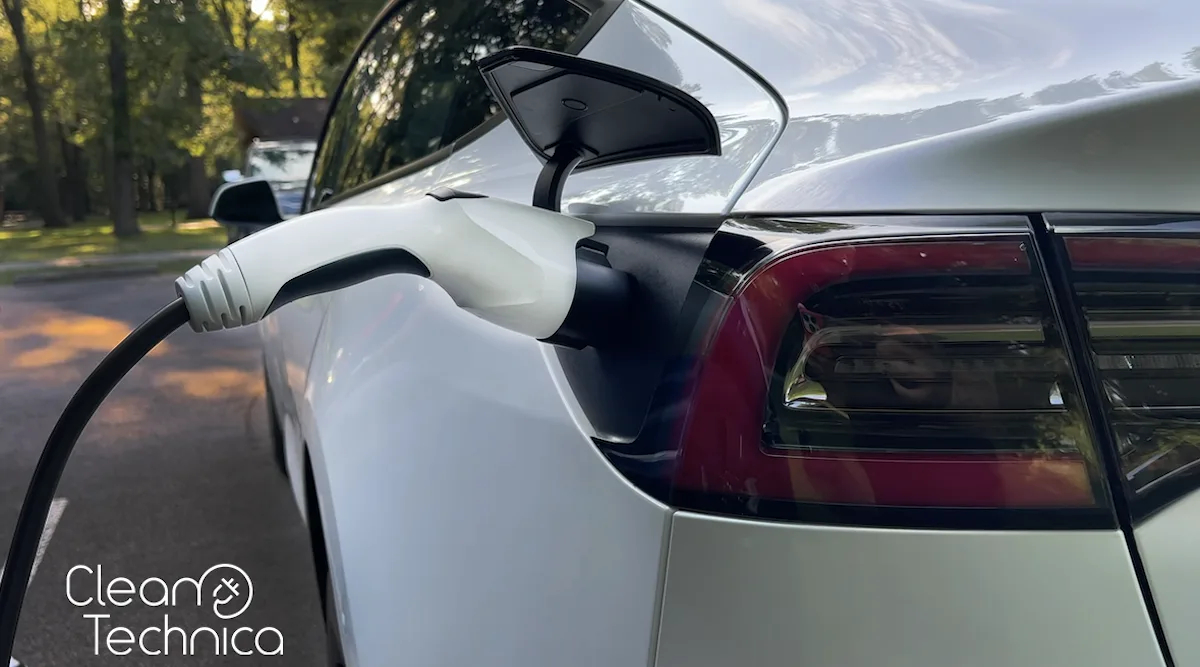
States are making significant strides in developing electric vehicle charging infrastructure, driving broader EV adoption and supporting decarbonization efforts nationwide.

Hyundai prepares to electrify its longstanding Porter compact truck, signaling a shift to zero-emission urban utility vehicles under development for the European market.
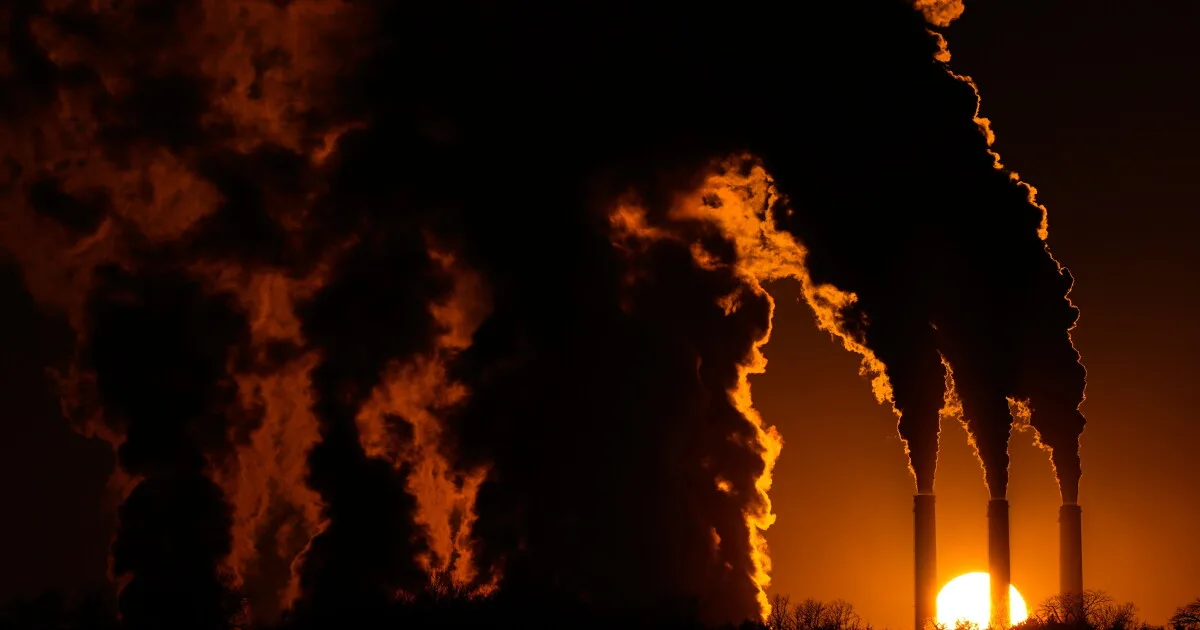
A United Nations assessment reveals a significant surge in the United States’ climate-altering emissions, underscoring global struggles to meet reduction targets.

Protecting large animals like elephants and whales aids biodiversity, but their climate mitigation role is complex and should not overshadow urgent emissions cuts.
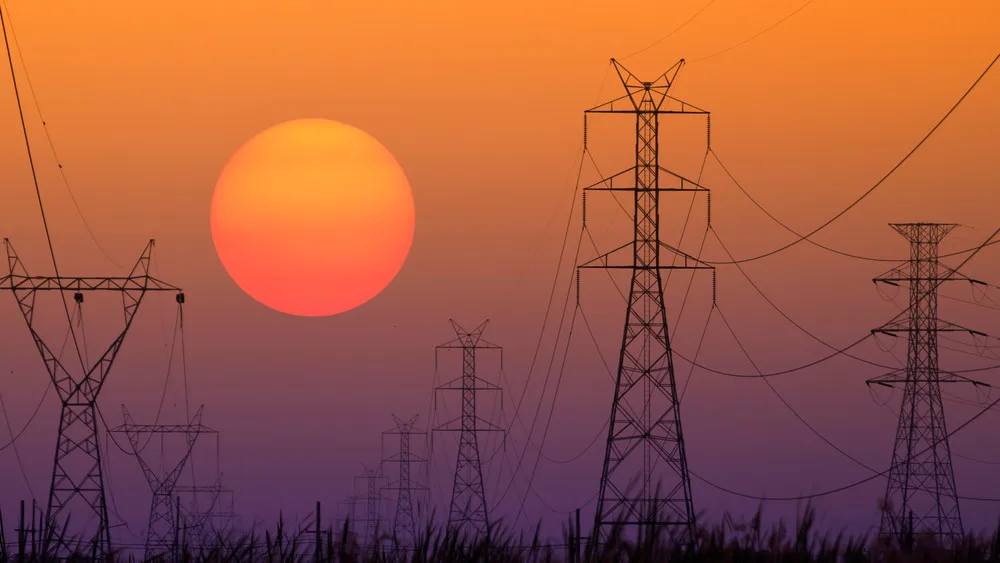
Emerging nuclear technologies could rapidly expand clean energy capacity in the U.S., offering new pathways to add gigawatts to the power grid with enhanced safety and efficiency.