Arkansas Sets New Employment Record as Jobless Rate Falls Slightly in May
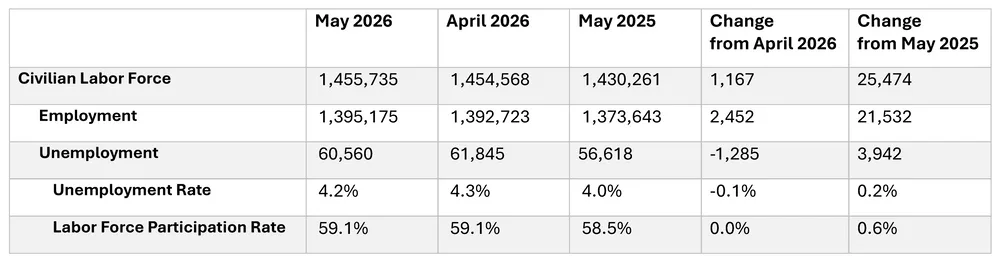
Arkansas reached an all-time high in employment in May, with the unemployment rate dipping to 4.2% amid gains across multiple major industry sectors.
A super El Niño, combined with ongoing war-related disruptions to energy and fertilizer supplies, risks deepening inflation through crop failures and soaring food prices, especially in India and Latin America.
Florida’s unemployment rate remained unchanged in May at 4.8%, reflecting a year-over-year increase despite gains in key sectors and mixed regional employment trends.
Rising inflation and voter frustration push Democrats to adopt a more combative discourse, echoing Bernie Sanders’ populist critiques of wealth and corporate power.
Growing concerns about the global economy and the unpredictable impact of artificial intelligence are prompting some investors to reduce their exposure to technology shares.
Global stock markets dropped sharply after the Federal Reserve indicated that interest rates could remain elevated longer, pressuring technology stocks and raising borrowing costs worldwide.
European markets fell amid expectations of further Federal Reserve rate hikes, raising concerns about the sustainability of massive AI-driven capital expenditures amid rising borrowing costs.
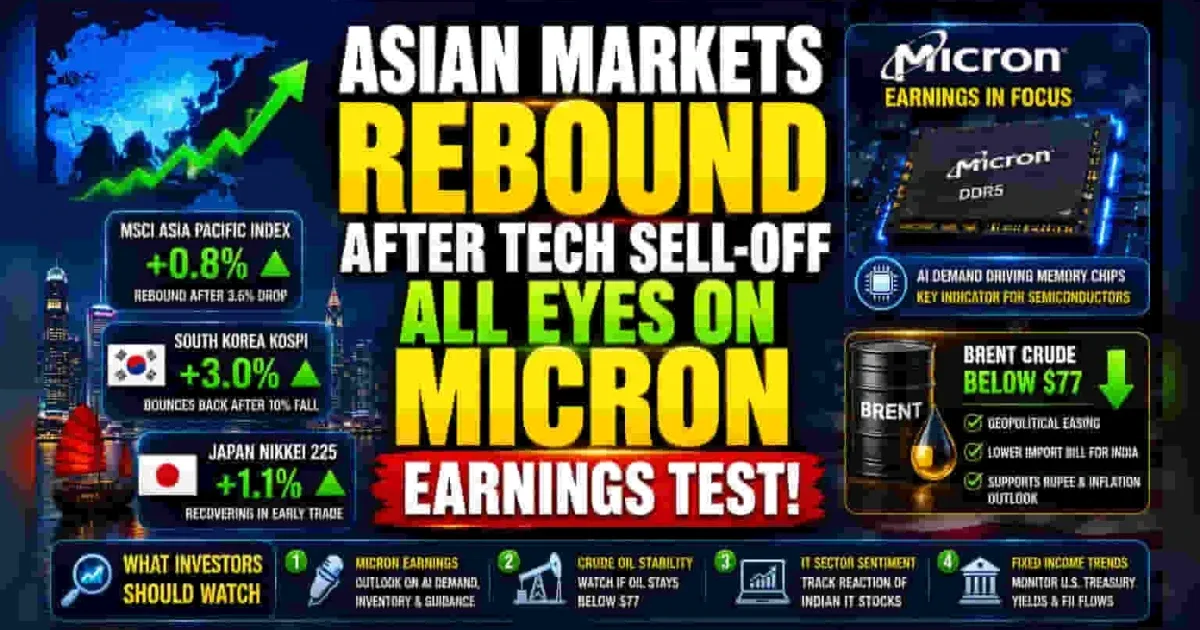
Asian stocks declined while Brent crude edged higher amid growing market expectations that the Federal Reserve may raise interest rates further this year.
While Western countries see a slowdown in grocery inflation, food costs soar sharply in nations facing economic and climatic challenges, making nutritious diets unaffordable for many.
A Federal Reserve Bank of Dallas report ties the Biden administration’s surge in illegal immigration to notable increases in home prices and rents across the United States.
Since the pandemic, the annual cost of owning a home has surged well beyond inflation, driven by mortgage rates, maintenance, and insurance hikes, limiting buyer access.
Kevin Warsh signals a Federal Reserve approach favoring reduced communication and greater market interpretation, echoing former chair Alan Greenspan’s style.