Uzbekistan and China Review Progress on China-Kyrgyzstan-Uzbekistan Railway Project
Uzbekistan and China confirm timely progress on the China-Kyrgyzstan-Uzbekistan railway, emphasizing its role in enhancing regional transport and trade relations.



Uzbekistan and China confirm timely progress on the China-Kyrgyzstan-Uzbekistan railway, emphasizing its role in enhancing regional transport and trade relations.

Kazakhstan Railways signed comprehensive agreements worth $400 million with Chinese firms, focusing on infrastructure, logistics, shipbuilding, and digital transport management.

A senior Commerce official revealed that a small number of Nvidia H200 AI processors have been shipped to China despite ongoing U.S. efforts to restrict advanced chip exports to Beijing.

Telegram’s shortlink domain was briefly disabled due to sanctions enforcement, temporarily disrupting link access to channels and chats before being swiftly restored by its registrar.

The UK-India trade agreement reduces whisky tariffs by half at launch, promises phased duty cuts across sectors, and aims to boost bilateral trade and GDP significantly.
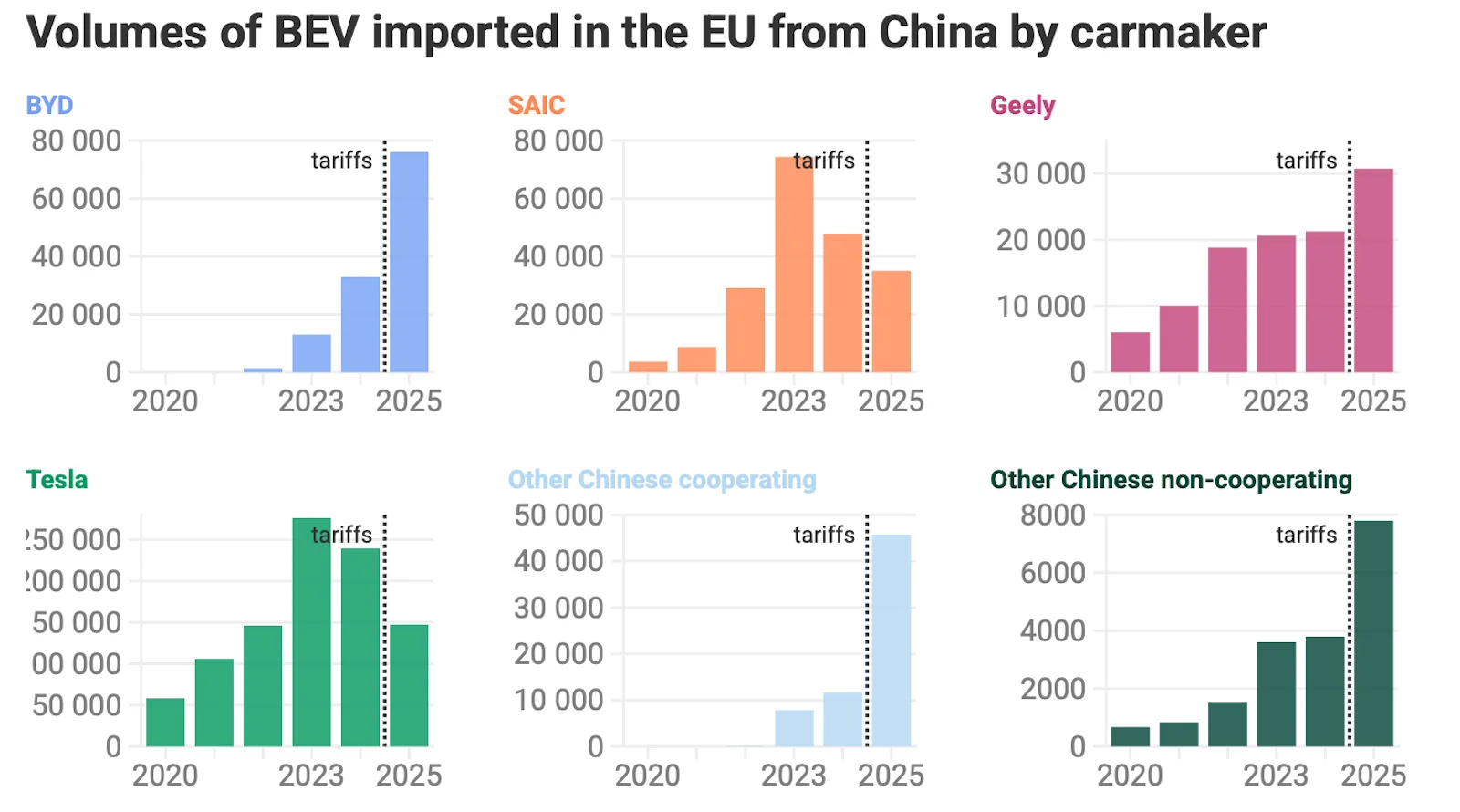
New analysis reveals EU tariffs affected Chinese EV makers differently, with some boosting sales despite fees while others faced setbacks and shifting market shares.

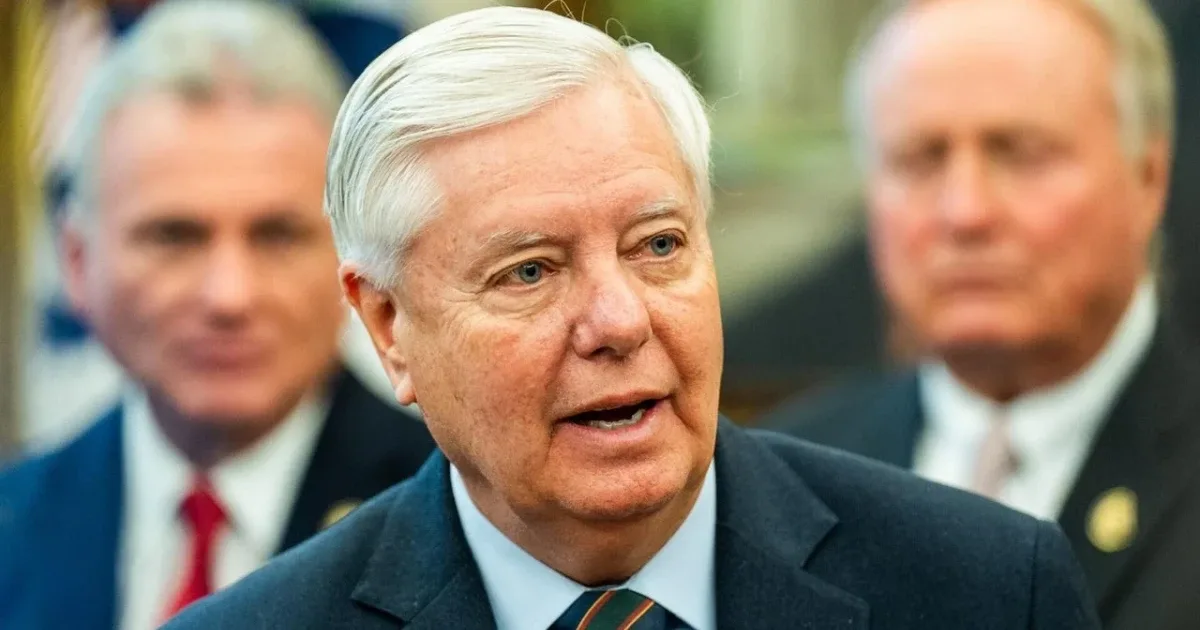
Senators introduce a streamlined Russia sanctions bill lowering tariff threats and adding exemptions to pressure Moscow, honoring Lindsey Graham’s legacy after his death.

The Justice Department’s Trade Fraud Task Force has surpassed $1 billion in recoveries and charged losses since its launch, targeting tariff evasion and illegal imports.
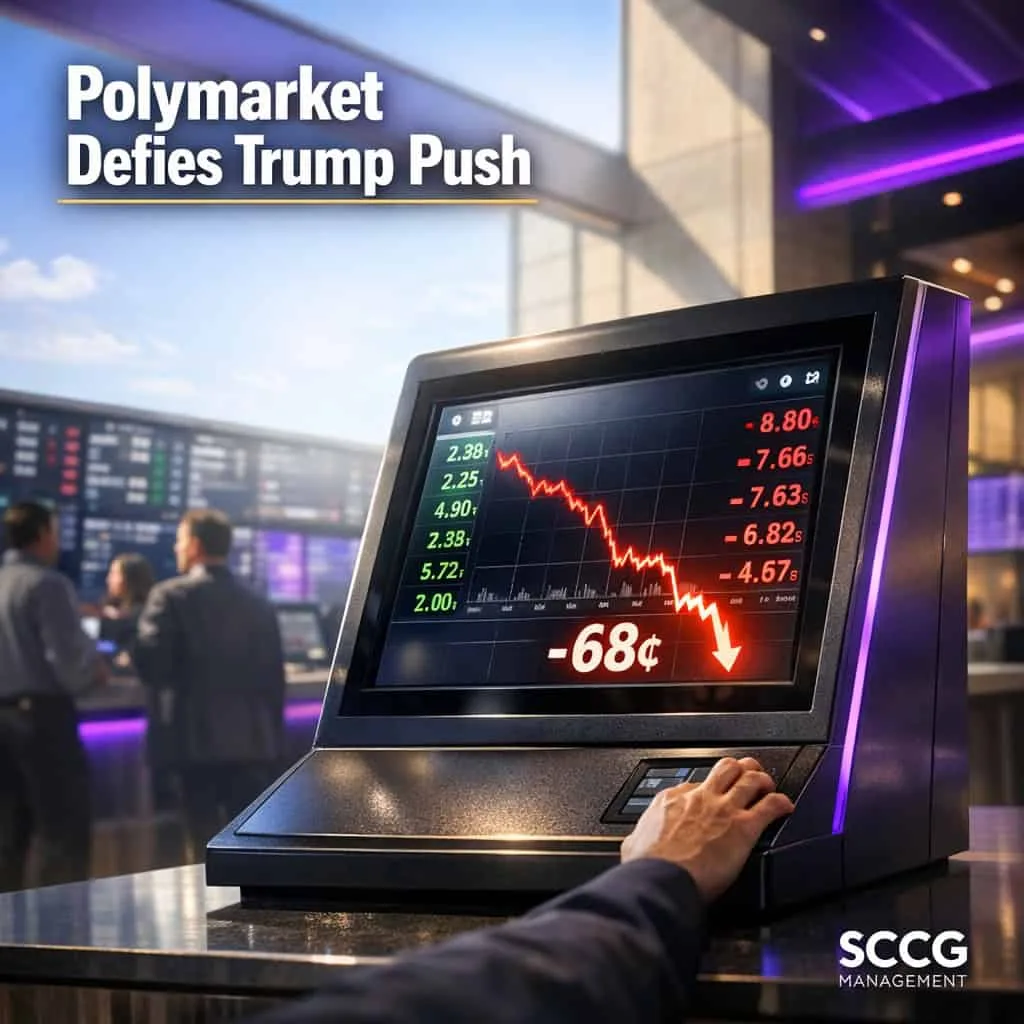
Polymarket’s prediction market sees a significant decline in odds for the CLARITY Act, contrasting with Trump’s strong political push linked to China concerns.

The ongoing review of the USMCA introduces uncertainty for U.S. soybean producers reliant on Mexico’s market, underscoring the need to secure cross-border trade agreements.

The U.S. government has authorized the first limited deliveries of NVIDIA’s H200 AI GPUs to Chinese firms, marking a significant easing of previous export restrictions.

Under tighter U.S. export regulations, Nvidia has reduced its approved Asian AI chip buyers by over half, restricting access particularly for smaller cloud providers.